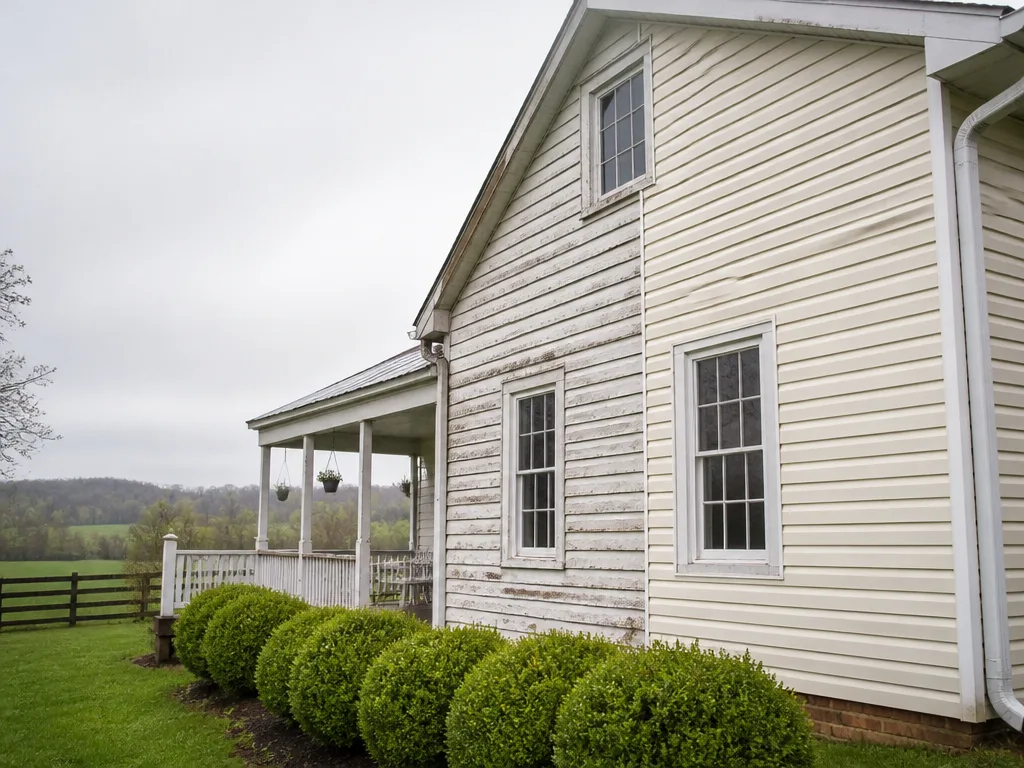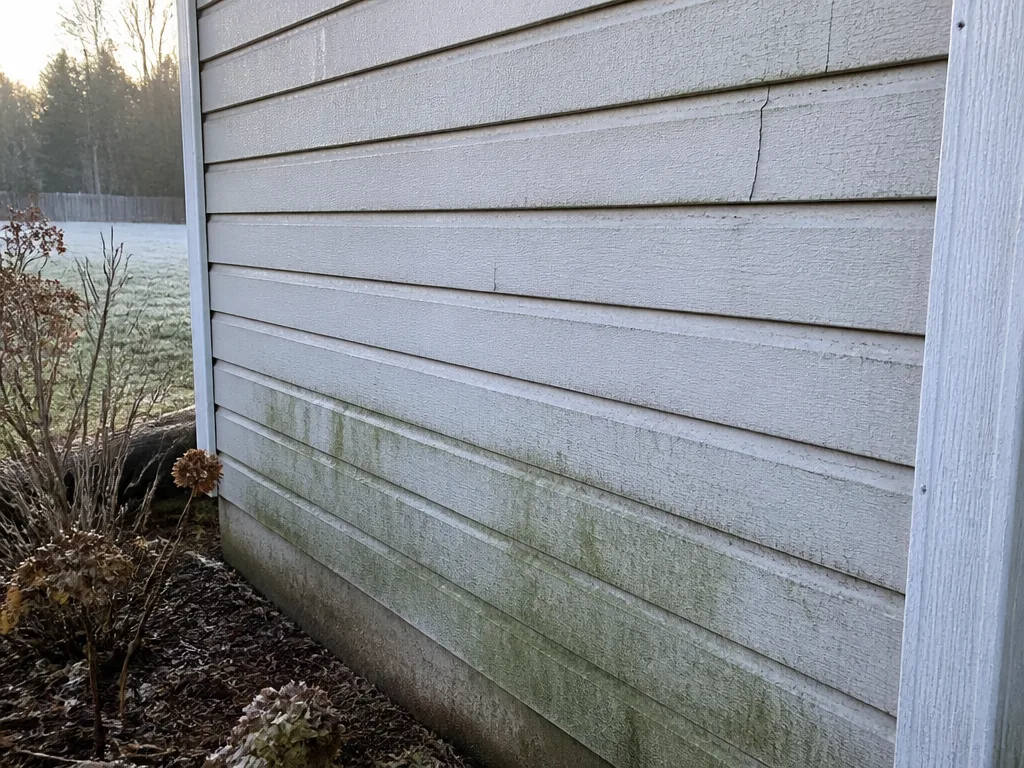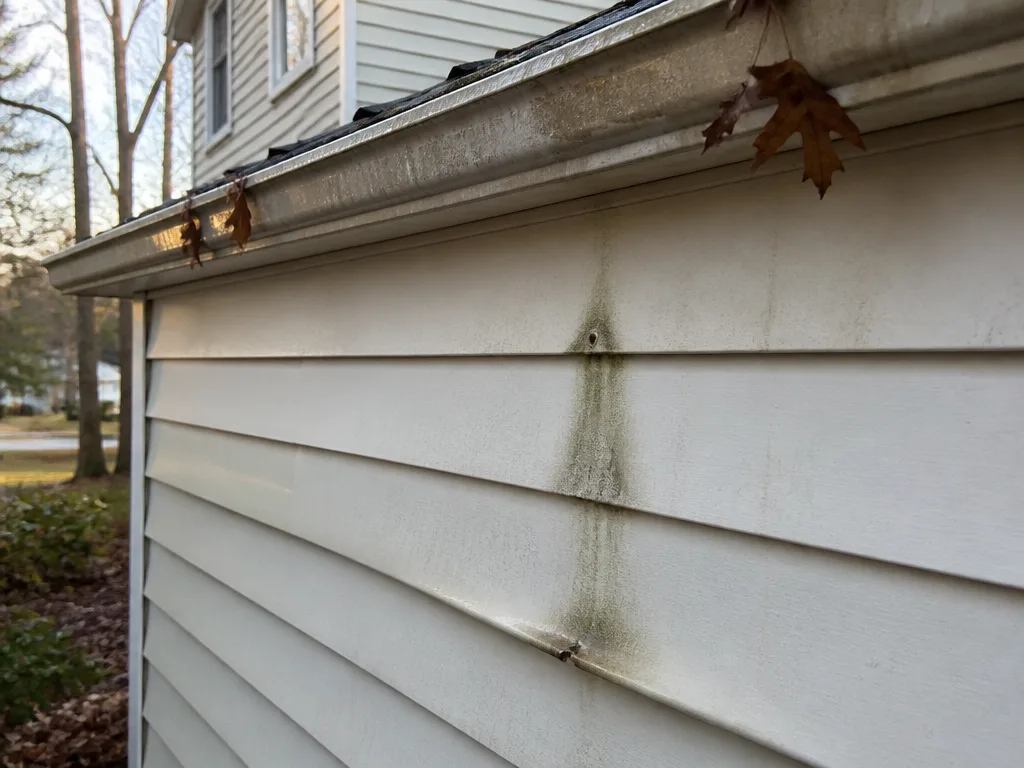
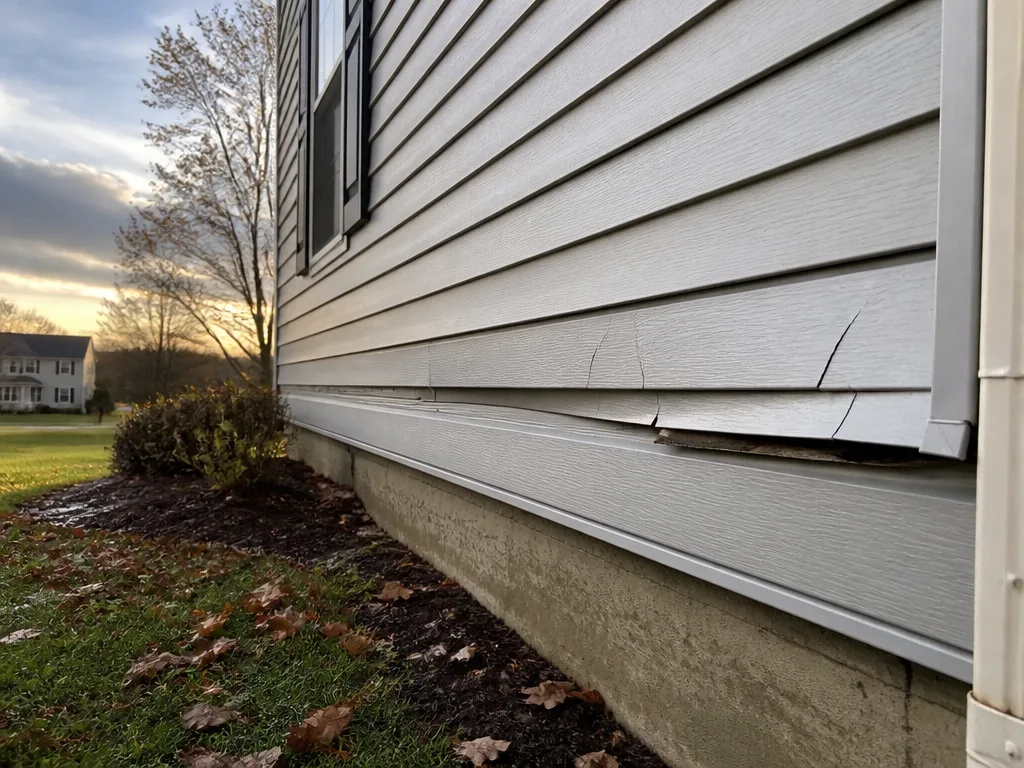
A storm rolls through, the siding looks rough the next morning, and the first question is almost always the same: how bad is this going to be? Across Virginia, the answer depends on a handful of things that show up again and again in the homes we work on. Some you can control. Some you can't. Knowing which is which helps you plan before the phone call.
The type and size of the damage
Not all storm damage is equal. A few cracked boards near a gutter downspout is a very different job than a wall where the wind lifted panels and bent the lower courses. Hail tends to leave dents and punctures scattered across the face of the house, and that often means replacing more panels than you'd expect, because the damage is spread out rather than concentrated in one corner.
Look at the pattern. Damage on the windward side, the side that took the wind head-on, usually points to a repair that stays contained. Damage on every elevation suggests hail or debris that hit widely, and the scope grows with it.
Water is the other piece people miss. A cracked panel that let rain behind the siding can soak the sheathing and the wall insulation. Once that happens, the work expands from the outside surface to whatever sits underneath, and that's where the surprises usually come from.
The siding material you have
Material changes the math more than most homeowners expect. Here's a rough picture of what we see:
- Vinyl is common across Virginia and generally easier to replace one panel at a time, provided the color and profile can still be matched.
- Fiber cement is heavier and more brittle. Individual pieces can crack during removal, so a repair often means cutting carefully and sometimes replacing more than the storm itself broke.
- Wood can be repaired in place when rot hasn't set in, but storm damage often reveals older moisture problems that need attention too.
- Aluminum dents easily and can be hard to straighten cleanly, so replacement is frequently the better route.
The bigger issue with any material is matching. Siding that has faded for ten or fifteen years rarely matches a new panel perfectly. If your house is one of the older ones in the neighborhood, ask the siding specialist to show you how the patch will look in daylight before you commit to a plan.
Access, height, and the shape of the house
A single-story ranch with clear access on all sides is a very different job from a three-story home with a steep roofline, a deck blocking the back wall, or a second-story gable that needs staging. Each of those adds labor, equipment, and time.
Landscaping matters too. Mature shrubs, a tight side yard, or a fence that has to come down temporarily all add steps. We see this a lot in older Virginia neighborhoods where lots are narrow and houses sit close together. Clear the path if you can. It helps the crew work faster, and that generally keeps the job tidier.
Architectural details like bay windows, dormers, and trim boards around corners slow things down. Each cut has to fit, and each piece has to line up with what's already on the wall.
How quickly the damage gets addressed
Waiting is one of the more expensive choices a homeowner can make. A cracked panel left alone through a wet spring lets water work into the wall, and what started as a single-board repair can turn into a section replacement. Weather keeps moving, and so does the damage.
Temporary protection is sometimes necessary while a permanent repair gets scheduled. Ask the siding specialist what they recommend for your situation. Good communication now usually prevents bigger questions later.
Insurance paperwork and documentation
If you plan to file a claim, take photos before anyone touches the siding. Get wide shots of each elevation, then close-ups of individual damage. Note the date of the storm and keep any weather reports you can find. Documentation won't change the physical damage, but it makes the process easier to follow for everyone involved.
Insurance policies differ widely across Virginia, so read your own before assuming how it applies. We can talk through what the repair involves, but we're not the ones deciding what your policy covers.
Practical steps before you call
Here's a short checklist that helps most homeowners get a clearer picture:
- Walk the house once after the storm and note every elevation that shows damage.
- Check inside near exterior walls for stains, soft drywall, or musty smells.
- Photograph everything before any cleanup or temporary fixes.
- Write down the siding material and roughly how old it is.
- Note any hard-to-reach areas, such as upper gables or areas blocked by decks.
When you're ready, call Chesapeake Siding and describe what you're seeing. Our team will ask follow-up questions about material, access, and where the water might be going. We serve homeowners wherever you are in Virginia, from the mountains down to the coast, and the phone is the best way to get started.