If you own a house anywhere in Virginia, you've probably heard a few things about siding from neighbors, a cousin who did a bathroom remodel, or the guy who stopped by with a clipboard last spring. Some of it is useful. A lot of it is just old information that got passed around until it sounded like fact. Chesapeake Siding works on homes from the mountains out to the coast, so we see the same myths come up over and over. Here are the ones worth clearing up.
Myth: You always have to tear off the old siding
This one costs people money. Full tear-off makes sense when the existing siding is rotted, buckled, or hiding water damage behind it. It isn't automatically required. In plenty of Virginia homes, the old wall is sound and a new layer can go over it, provided the surface is flat enough and the wall is dry.
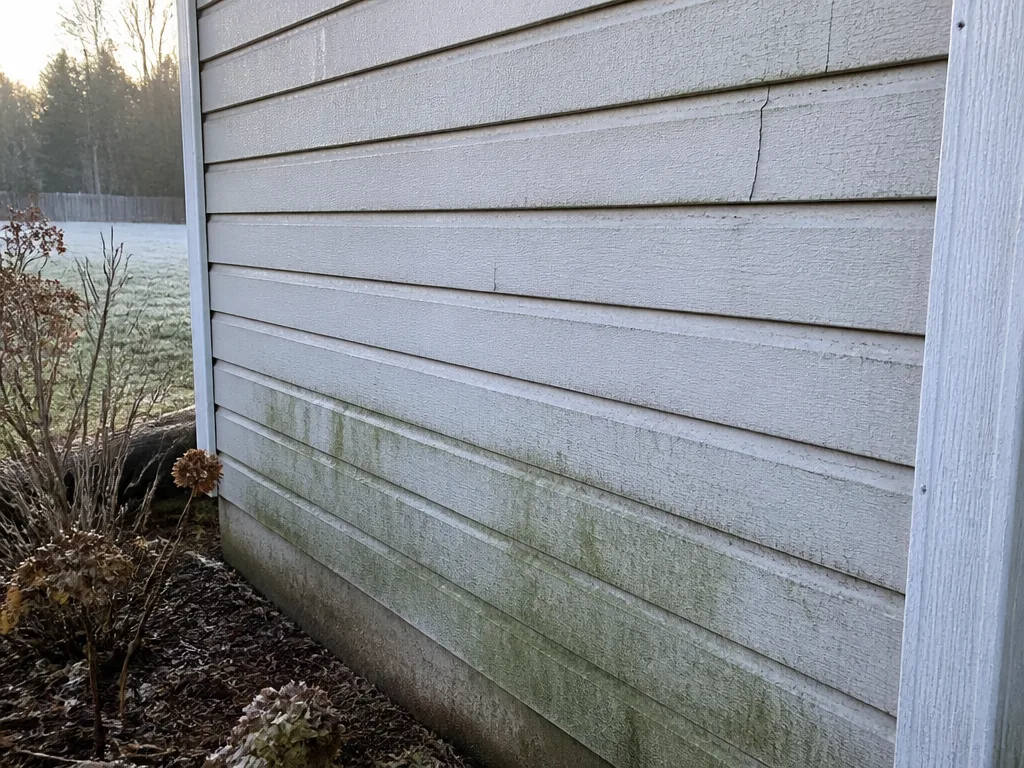
The catch is that covering up problems doesn't make them go away. Before anyone recommends skipping removal, the wall underneath needs a real look. Soft sheathing, old flashing, and moisture pockets are the things that turn a cheaper job into an expensive one later.
A quick check you can do yourself: push on the siding near the bottom edge and around windows. If it gives or crumbles, you're past the point where covering it is a good idea.
Myth: Vinyl siding looks cheap no matter what
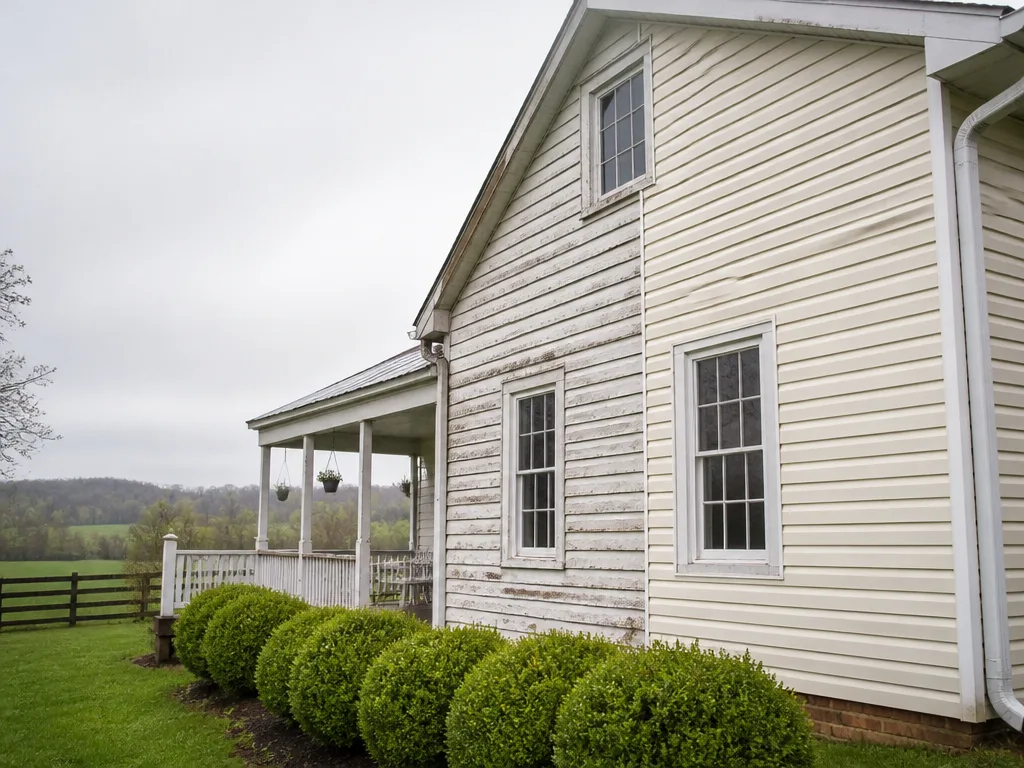
Vinyl has come a long way from the thin, hollow-sounding panels people remember. Thicker profiles, deeper shadow lines, and better color options mean a well-chosen vinyl product can look like wood lap siding from the street. The look comes down to profile, color, and how the trim is handled.
Where vinyl does struggle is in cheap installations. Panels cut too tight, nailed too hard, or left without room to expand will warp in summer heat. Those problems come from the install, not the material. So when you're comparing options, ask to see the profile in person, not just a chip sample.
Myth: Any siding crew can handle fiber cement
Fiber cement is a great product for Virginia weather. It handles humidity, resists insects, and holds paint well. It's also heavy, brittle at the edges, and dusty to cut. Working with it takes specific habits: cutting outdoors with the right blade, sealing every raw edge, and spacing fasteners so the boards can move a little with temperature swings.
When people ask whether their installer can do fiber cement, the honest question is how often they've done it. Our siding specialists are trained on the product's requirements from the manufacturer's installation guidance, and that's the standard we hold ourselves to. Ask any contractor you're considering to walk you through their cutting and sealing method. The answer tells you a lot.
Myth: Siding installation is just a cosmetic upgrade
Siding is the outer skin of your house. It sheds rain, blocks wind, and keeps moisture from reaching the framing. When it's done right, you mostly notice it when the house looks sharp. When it's done wrong, the damage shows up inside the wall first.
Three things matter more than the color swatch:
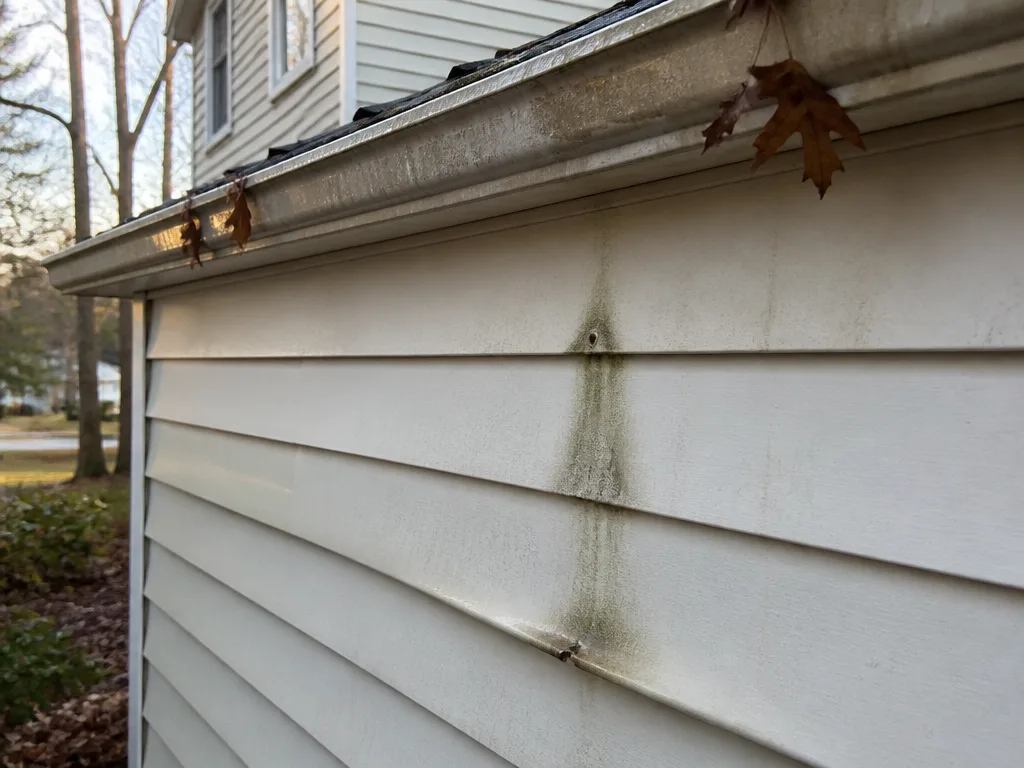
- House wrap and flashing. Water has to have a path out of the wall. Flashing above windows and doors, and a continuous weather-resistive barrier, do that job.
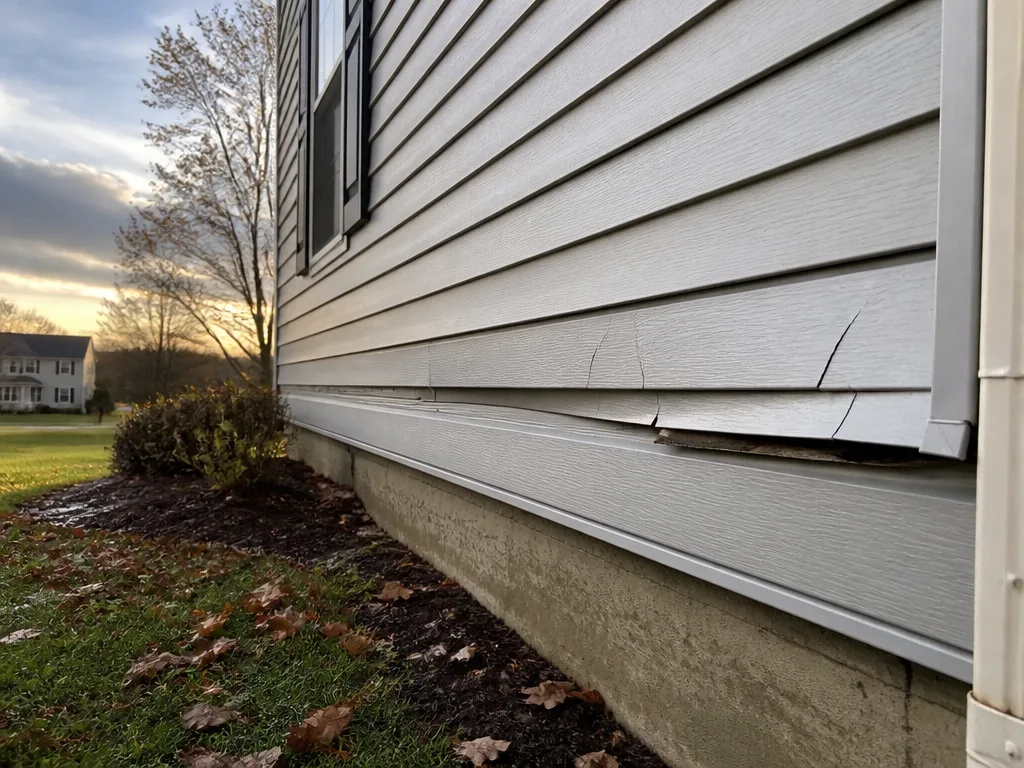
- Clearance at grade. Siding should sit well above the soil and any mulch line so splashback and wicking don't feed rot at the bottom course.
- Ventilation and gaps. Panels need room to move. Locking them down too tightly is how buckling starts.
Myth: Winter is the wrong time to get siding work done
Cold weather does slow some work down. Vinyl gets brittle below freezing, and caulk and some adhesives need temperatures above a set minimum to cure properly. But plenty of Virginia siding work happens in the cooler months, especially in the Piedmont and mountain areas where summer schedules fill up fast.
The practical approach is to plan the install around daily temperature windows rather than the calendar. A good crew will pause on a bitter morning and pick up when conditions allow. If someone tells you to wait until spring no matter what, ask them why. Sometimes it's the right call, and sometimes it's just their calendar.
What to ask before you schedule
Whatever material you're leaning toward, a few questions will separate a careful siding business from a rushed one. Ask what they find behind the old siding before they close it up. Ask how they handle flashing around windows, doors, and roof intersections. Ask who will actually be on your house each day, and whether they're the same siding specialists you met at the start.
Virginia homeowners tend to do well when they treat siding as a system rather than a finish. The panels matter, but the water management underneath matters more. If you'd like to talk through what makes sense for your home, call Chesapeake Siding. We'll walk you through the options by phone, wherever you are in Virginia, and help you figure out which myths apply to your house and which ones you can let go.