
Insulated Siding That Steadies Virginia Homes Year-Round
Across Virginia, homeowners notice the same thing: rooms that feel too hot in July and too cold in January, with heating and cooling systems working harder than they should. Insulated siding offers a practical answer.
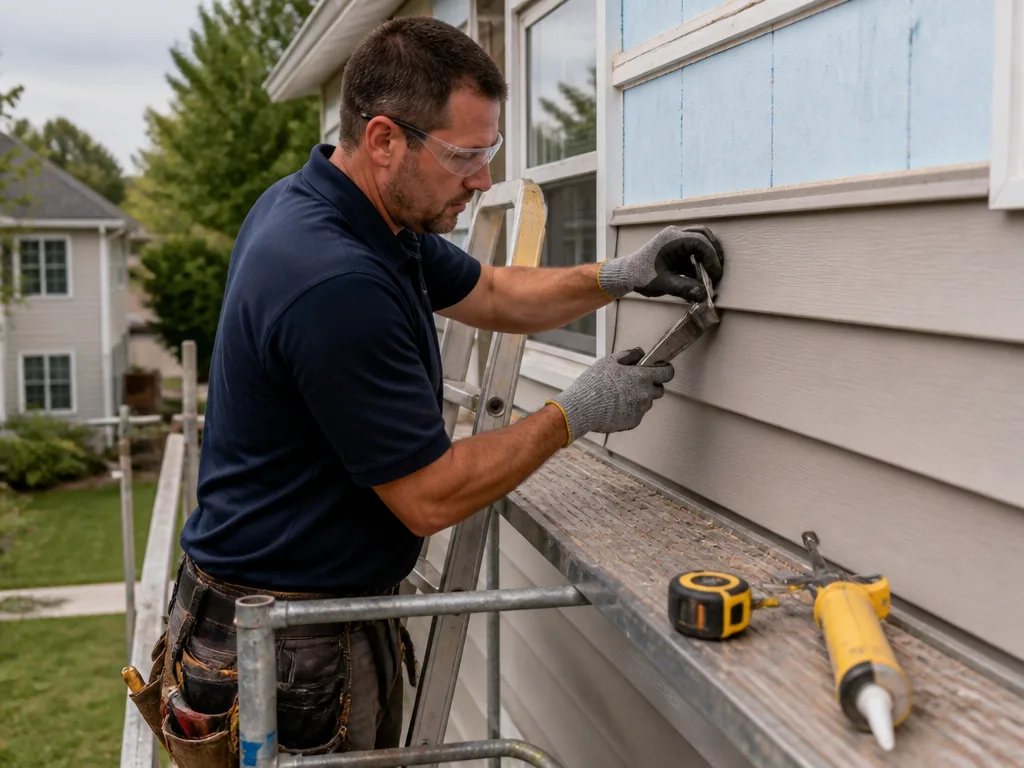
About insulated siding
Insulated siding is more than a fresh exterior. The foam backing sits behind the panel face and adds thermal resistance to exterior walls, which can reduce heat transfer in both directions. Many systems also add rigidity, so the wall feels firmer and panels resist dents from everyday impacts better than thin single-layer products. Our installations cover new construction, full re-siding projects, and targeted replacement on sections of older homes. Insulated siding suits homeowners who plan to stay in their property for years, owners of older houses with aging wall assemblies, and anyone who wants a quieter, more consistent interior. Our team reviews your wall condition, trim details, and window placement before recommending a profile, so the finished exterior looks intentional and the insulation performs as designed across Virginia's varied seasons.
Signs you need insulated siding
- Rooms on the western or southern side of your home stay noticeably warmer than the rest of the house during summer afternoons.
- Your heating and cooling bills keep climbing even though your thermostat settings have not changed over the past few years.
- Drafts or cold spots appear near exterior walls on windy winter days, especially around outlets and corners of the home.
- Your existing siding is cracked, warped, or faded, and its surface no longer sheds water or resists impacts the way it once did.
- Exterior panels sound hollow when tapped, suggesting gaps or loose backing that leave walls exposed to temperature swings.
- Your home still has its original siding from decades ago, and the wall assembly behind it has never been upgraded.
Why choose Chesapeake Siding?
- Chesapeake Siding serves homeowners across Virginia, with crews ready to travel to projects wherever you are in the state.
- Our siding specialists review your wall condition and trim details before recommending any product, so every quote reflects your actual home.
- We present clear material options, color choices, and profile samples so you can compare insulated siding before making a decision.
- Our team keeps job sites organized, protects landscaping and entryways, and communicates schedule changes early and directly.
- Each project receives a careful final walkthrough so you can see the finished work and ask questions before we consider the job complete.
- We focus exclusively on siding, which means our crews bring deep attention to panel fit, flashing, and finish quality on every install.
From phone call to finished job
Four straightforward steps. No upsells.
You tell us what you're seeing on the house, the material you have, and roughly how old the siding is, so we know who to send out.
A siding specialist walks the exterior, checks the seams, flashing, and trim, and explains what they find without rushing you through it.
Our crew replaces or repairs the panels, sets the new courses straight, and cleans up the job site before they pack the truck.
You'll receive a written summary of the work and the materials used, and you can call the team afterward with any questions that come up.
What you get
Foam backing adds thermal resistance to exterior walls, which can help rooms hold a steadier temperature through hot Virginia summers and cold winters.
Many homeowners find that improved wall performance eases the workload on heating and cooling equipment during peak seasons.
Rigid panels with a bonded insulation layer resist dents and surface damage better than thin single-layer siding in everyday use.
A finished exterior with consistent color and profile can raise curb appeal and make your home feel well maintained from the street.
Reduced temperature swings inside the walls can help limit condensation-related wear on the structure over the long term.
A single exterior upgrade can improve comfort in several rooms at once without requiring interior demolition or disruption to daily life.
Talk to a local pro now
(757) 276-0719Questions about insulated siding
Don't see your question? Call (757) 276-0719 and we'll answer it.
How does insulated siding differ from standard vinyl siding?
Standard vinyl siding is a single thin panel that offers little thermal resistance on its own. Insulated siding bonds a foam backing to the panel, which adds an insulating layer between the exterior and your wall. This generally results in a more rigid, more solid feel and can help rooms hold temperature more consistently. Our siding specialists can explain the differences in detail and show samples so you can compare them side by side.
Will insulated siding work on an older Virginia home?
In many cases, yes. Older homes often benefit significantly from an upgraded exterior because the original wall assembly may be aging or uninsulated. Before recommending a plan, our team inspects sheathing, trim, window openings, and any signs of moisture or damage. If repairs are needed underneath, we will explain what must be addressed so the new siding installs on a sound, level surface that performs as intended.
Can I replace only part of my siding with insulated panels?
Partial replacement is possible in many situations, especially when damage is limited to one elevation or a few sections. However, matching color, profile, and texture can be challenging when new panels sit beside older material that has weathered over time. Our siding specialists will assess your home and discuss whether a partial project or full re-siding makes the most sense for appearance and long-term performance.
How long does an insulated siding installation usually take?
Timing depends on the size of the home, the number of stories, the complexity of trim and corners, and whether any wall repairs are needed. Many single-family projects are completed within a few days to a couple of weeks. During your consultation, our team provides a realistic schedule and keeps you updated if weather or unexpected conditions require adjustments. We aim to communicate clearly so you always know what to expect next.
Does insulated siding require special maintenance?
Insulated siding generally requires the same routine care as other exterior siding. Periodic rinsing with a garden hose to remove dirt, a visual check for loose panels or damaged trim, and prompt attention to any cracks or gaps will keep it looking its best. Because the foam backing is protected behind the panel face, the system is designed to hold up well to normal weather. Our team can recommend a simple care routine tailored to your home's exposure.
Need insulated siding today?
Real local siding specialists. Careful work. One call away.